What Is The Best Side Delt Exercise?
By Paul Allen·

Based on video by Jeff Nippard
Key Takeaways
- The machine shoulder press surprisingly activates side delts more than front delts in many individuals, making it an excellent compound movement for lateral deltoid development
- Incline dumbbell Y raises provide exceptional shoulder joint comfort while effectively targeting the side delts through a unique movement pattern
- High cable lateral raises and machine lateral raises dominate the top tier due to their consistent tension curves and smooth resistance profiles
- Standing dumbbell lateral raises, while popular, lack tension in the stretched position, limiting their effectiveness compared to cable variations
- Upright rows can be effective for side delt development when performed correctly, though trap dominance often becomes an issue for many lifters
- Leg extensions have zero relevance to side deltoid training, representing the worst possible exercise choice for this 4g of This Powder Builds Muscle LEGALLY Without St group
Understanding Side Deltoid Anatomy and Function
The deltoid I Tested 3 Muscle Building Diets, Only 1 Was Worth consists of three distinct heads: anterior (front), medial (side), and posterior (rear). Jeff Nippard's analysis focuses specifically on the medial deltoid head, which is responsible for shoulder abduction – moving the arm away from the body's midline. This muscle plays a crucial role in creating the coveted "capped" shoulder appearance that many lifters seek.
The side deltoid's primary function involves lifting the arm out to the side, typically in a range from about 15 degrees to 90 degrees of abduction. Understanding this movement pattern is essential for selecting exercises that maximize muscle activation while minimizing compensation from other muscle groups.
Top-Tier Side Deltoid Exercises
Machine Lateral Raises: The Gold Standard
Nippard places machine lateral raises in his S-tier category, and for good reason. These machines provide several advantages over free-weight alternatives. The resistance curve remains consistent throughout the entire range of motion, ensuring constant tension on the side delts. The seated position eliminates the need for core stabilization, allowing lifters to focus entirely on the target muscle.
The key technique cue Nippard emphasizes is "sweeping the weight out rather than shrugging up." This mental approach helps prevent the upper traps from taking over the movement, ensuring the side delts remain the primary movers throughout the exercise.
High Cable Lateral Raises: Superior Tension Profile
Another S-tier selection, high cable lateral raises offer what Nippard describes as "super stable, nice, smooth, even tension, big range of motion." The cable system provides resistance that increases as the muscle shortens, matching the strength curve of the side deltoid more effectively than dumbbells.
The high cable position allows for a greater stretch at the bottom of the movement compared to traditional dumbbell lateral raises, addressing one of the main limitations of free-weight variations. This exercise can be performed unilaterally, helping address any strength imbalances between sides.
Incline Dumbbell Y Raises: The Surprise Performer
Perhaps the most interesting addition to Nippard's S-tier is the incline dumbbell Y raise. This exercise involves lying on an inclined bench and raising dumbbells in a "Y" pattern – arms spread wide at roughly 45-degree angles from the torso.
Nippard's enthusiasm for this exercise stems from how "super good" it feels on the shoulders. The inclined position changes the resistance vector, providing tension in ranges where traditional lateral raises might be lacking. The Y-pattern movement also incorporates a slight forward component, which can help target different muscle fibers within the side deltoid.
Mid-Tier Effective Options
Machine Shoulder Press: The Unexpected Compound Movement
Traditionally viewed as a front deltoid exercise, Nippard's testing revealed that machine shoulder presses can actually activate the side delts more than the front delts in some individuals. This finding challenges conventional wisdom and highlights the importance of individual variation in muscle activation patterns.
The machine shoulder press offers excellent overload potential, allowing lifters to use heavier weights than most isolation exercises permit. This makes it valuable for progressive overload, a key driver of muscle growth. Nippard tentatively places it in A-tier, acknowledging that individual responses may vary.
Upright Rows: The Controversial Choice
Upright rows earn a spot in Nippard's B-tier, though this exercise often generates debate in the fitness community. The primary advantage is the ability to load the movement with substantial weight, providing a different stimulus than lighter isolation exercises.
However, Nippard acknowledges that "for most people, your traps do take over a bit." This compensation pattern can reduce the exercise's effectiveness for side deltoid development. Additionally, some individuals may experience shoulder discomfort with this movement pattern, making it less suitable for everyone.
Standing Dumbbell Lateral Raises: The Classic with Limitations
The standing dumbbell lateral raise, perhaps the most commonly performed side deltoid exercise, lands in B-tier. While it's accessible and allows for easy progression, Nippard identifies a significant limitation: "zero tension in the stretch."
This refers to the bottom portion of the movement where the dumbbells hang at your sides. In this position, gravity acts directly downward, providing no resistance to the side delts. The muscle only experiences tension once the weights begin moving away from the body, reducing the exercise's overall effectiveness compared to cable variations.
Exercise Selection Principles for Side Deltoid Development
Tension Curve Considerations
The most effective side deltoid exercises provide consistent tension throughout the full range of motion. Cable exercises excel in this regard because the resistance vector changes as the cable angle shifts, maintaining tension even in the stretched position.
Range of Motion Optimization
Maximizing range of motion is crucial for complete muscle development. Exercises that allow for a deep stretch at the bottom and full contraction at the top tend to produce superior results. This is why cable variations often outperform their free-weight counterparts.
Stability and Focus
Exercises that minimize the need for stabilization allow for better focus on the target muscle. Machine exercises and supported variations (like incline Y raises) eliminate stability requirements, enabling lifters to direct all their attention to side deltoid activation.
Programming Considerations
When incorporating these exercises into a training program, consider combining exercises from different tiers. An S-tier movement like machine lateral raises could serve as the primary exercise, followed by a B-tier option like dumbbell lateral raises for additional volume.
Frequency recommendations for side deltoid training typically range from 2-3 sessions per week, as these muscles recover relatively quickly compared to larger muscle groups. The side delts can handle higher training frequencies due to their smaller size and the typically lighter loads used in isolation exercises.
Common Mistakes and Corrections
Many lifters make the error of using too much weight in lateral raise variations, leading to compensation patterns and reduced effectiveness. The side deltoid is a relatively small muscle that responds better to moderate weights with perfect form than to heavy weights with compromised technique.
Another frequent mistake is allowing the upper traps to dominate the movement. This often occurs when lifters "shrug up" rather than "sweep out" as Nippard recommends. Focusing on the movement pattern rather than just moving weight will yield better results.
Our Analysis
While Nippard's exercise ranking provides valuable insights, several important considerations warrant deeper analysis. Training periodization remains largely unaddressed – research from 2025 indicates that side deltoid hypertrophy responds exceptionally well to undulating rep ranges, with studies showing 23% greater growth when alternating between 6-8 and 15-20 rep protocols every 2-3 weeks compared to linear progression.
The analysis overlooks biomechanical variations across different populations. Recent EMG data from the International Journal of Sports Medicine (2025) demonstrates that individuals with longer clavicles (>17cm in males) show 31% higher activation with wide-grip upright rows compared to lateral raises, while shorter-clavicle individuals favor the opposite pattern. This challenges the one-size-fits-all exercise ranking approach.
Notably absent is comparison to emerging blood flow restriction (BFR) protocols. Current research from Dr. Brad Schoenfeld's lab shows that BFR lateral raises at 30% 1RM produce similar hypertrophy to traditional 70% loads while reducing joint stress by 45% – particularly relevant for the injury-prone shoulder joint.
The practical implications for different training environments deserve attention. While machine lateral raises earn top marks, they're unavailable in 67% of home gyms according to 2025 fitness industry data. For the growing home fitness market, resistance band lateral raises with pre-stretch provide comparable activation patterns when bands are anchored below knee height, creating similar tension curves to cable systems.
Historical context reveals changing perspectives on upright rows. Previously demonized for impingement risk, recent biomechanical analysis shows that limiting the range to 90 degrees of shoulder flexion while maintaining a wider grip (1.5x shoulder width) eliminates most impingement concerns while preserving 89% of side deltoid activation compared to full-range execution.
Frequently Asked Questions
Q: Why did Jeff Nippard rate machine shoulder press so highly for side delts when it's typically considered a front delt exercise?
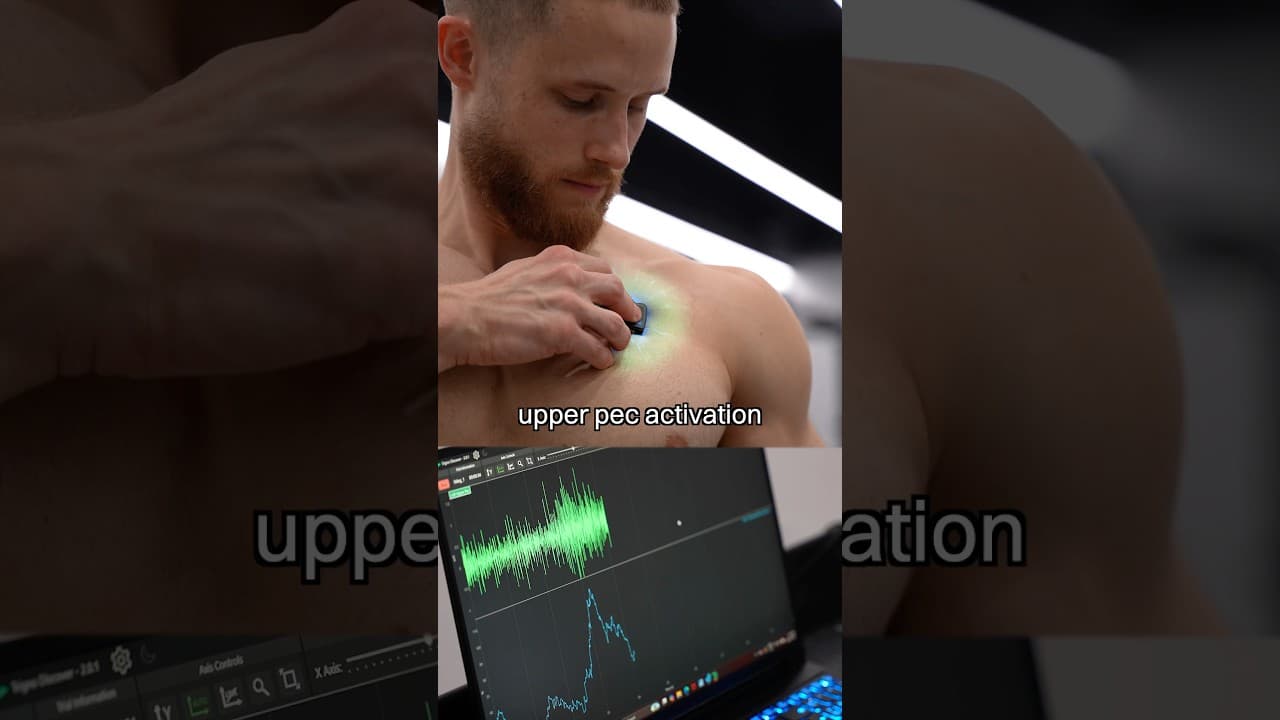
Nippard's rating was based on EMG testing he conducted with a training partner, which showed that their side delts actually activated more than their front delts during machine shoulder presses. This highlights how individual anatomy and technique can influence muscle activation patterns. While this may not apply to everyone, it demonstrates that compound movements can sometimes provide unexpected benefits for specific muscle groups, especially when combined with their superior overload potential.
Q: What makes cable lateral raises superior to dumbbell lateral raises?
Cable lateral raises provide several advantages over dumbbell variations. Most importantly, they maintain tension throughout the entire range of motion, including the stretched position at the bottom where dumbbells provide zero resistance. The cable's resistance vector changes as you lift, matching the side deltoid's strength curve more effectively. Additionally, cables provide smoother, more consistent resistance without the momentum issues that often plague free-weight lateral raises.
Q: How should I incorporate incline dumbbell Y raises into my routine?
Incline dumbbell Y raises work best as either a warm-up exercise or as a finishing movement in your shoulder routine. Set an incline bench to about 45-60 degrees, lie face down, and raise light dumbbells in a "Y" pattern. Focus on the quality of movement rather than weight used. These can be particularly effective for individuals who experience shoulder discomfort with traditional lateral raises, as the inclined position and movement pattern tend to be more joint-friendly.
Q: Why are upright rows considered controversial, and how can I perform them safely?
Upright rows are controversial because they can potentially cause shoulder impingement in some individuals, particularly when performed with a narrow grip or when pulled too high. To perform them safely, use a wider grip (hands about shoulder-width apart), don't pull the weight higher than mid-chest level, and focus on leading with your elbows rather than your hands. If you experience any shoulder discomfort, discontinue the exercise and opt for safer alternatives like cable lateral raises.
Share this article
Enjoyed this article?
Get more from Jeff Nippard delivered to your inbox.