The Only 25 Exercises You Ever Need
By Paul Allen·

Based on video by Jeff Nippard
Key Takeaways
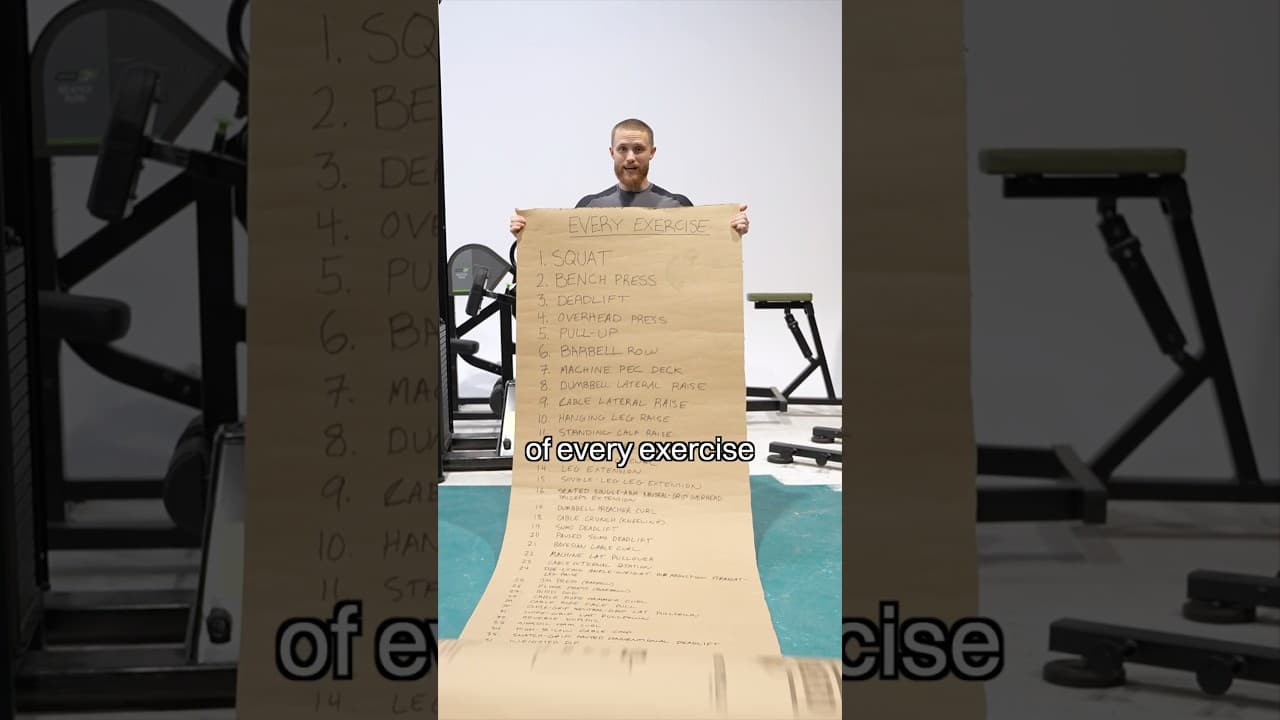
- Jeff Nippard compiled the 25 most effective exercises for building a complete physique, attempting personal records on each one to test his current strength levels
- The top 10 exercises represent the most essential movements everyone should master, including squats, pull-ups, incline bench press, Romanian deadlifts, and chest-supported T-bar rows
- Isolation exercises for commonly neglected 4g of This Powder Builds Muscle LEGALLY Without Sts like calves, forearms, and neck training made the list due to their significant impact on overall appearance
- Progressive overload and proper tracking are crucial for continued gains, with consistency in technique being essential for valid progress measurements
- Machine-based isolation movements earned high rankings for their ability to target specific muscles without interference from weaker muscle groups
- Compound movements like squats and deadlifts remain foundational despite not being optimal for pure hypertrophy, as they build overall strength and movement patterns
The Science Behind Exercise Selection
Jeff Nippard's approach to selecting the ultimate 25 exercises goes beyond personal preference, incorporating scientific research and practical application. His methodology considers several key factors: muscle activation patterns, progressive overload potential, accessibility, and overall impact on physique development.
The ranking system balances both compound movements that work multiple muscle groups simultaneously and isolation exercises that target specific muscles often overlooked in traditional programs. This comprehensive approach ensures complete muscular development while addressing common weak points that can limit overall progress.
Top-Tier Compound Movements
The Squat: King of All Exercises
Nippard places the squat at number one, citing MRI research showing that 55-58% of total body muscle mass resides in the legs. Beyond the massive muscle recruitment, squats build functional strength that carries over to other lifts and daily activities. The exercise's versatility allows for multiple variations - pendulum squats, Smith machine squats, hack squats, and Bulgarian split squats all provide excellent stimulus.
The squat's dominance stems from its ability to create high tension in the deep position where both quads and ROUNDER GLUTES: 5 Mistakes Keeping Your Butt Flats are maximally stretched. This stretch-mediated hypertrophy, combined with the potential for heavy loading, makes squats unparalleled for lower body development.
Pull-ups: The Ultimate Back Builder
Ranked second, pull-ups earn their position through their honest assessment of strength - you either complete the rep or you don't. Nippard's personal experience building up to bodyweight plus 75 pounds for six reps correlates with the best back development of his career.
The advantages of pull-ups extend beyond muscle building. They require minimal equipment, offer clear progression markers, and provide superior motivation compared to lat pulldowns. The inability to "cheat" the movement ensures consistent technique and genuine strength gains.
Incline Bench Press: Best of Both Worlds
The third-ranked exercise combines benefits of both vertical and horizontal pressing patterns. Research demonstrates superior upper pectoral development with incline pressing while maintaining gains in the mid and lower chest regions. The 20-45 degree incline range provides optimal angles for chest development, with most studies utilizing approximately 45 degrees.
Strategic Isolation Movements
Lateral Raises: Building the X-Frame
Ranked sixth, lateral raises target the side deltoids, which Nippard considers potentially the most important muscle for bodybuilding aesthetics. The side delts create the coveted X-frame appearance when viewed from front or rear positions.
Cable variations with high handle positions provide superior tension curves compared to dumbbells, maintaining constant resistance throughout the movement. This consistent tension helps establish better mind-muscle connection and promotes more effective muscle stimulation.
Preacher Curls: Bicep Development Simplified
The seventh-ranked preacher curl earns its position through simplicity and effectiveness. The fixed position eliminates cheating while providing high tension from the start of the movement when biceps remain in a lengthened position. This combination of factors makes strength progression directly correlate with muscle growth.
Overhead Cable Triceps Extensions: Length-Tension Advantage
Research from May and colleagues showing 40% greater triceps growth compared to pressdowns earned this exercise the eighth position. The overhead position places the long head of the triceps in a more lengthened state, capitalizing on stretch-mediated hypertrophy mechanisms.
Neglected Muscle Groups
Lower Leg Development
Standing calf raises claim the 23rd position based on research demonstrating their superiority over seated variations. The straight-leg position during standing calf raises activates the gastrocnemius more effectively than bent-knee positions used in seated variations.
Forearm Training
Dumbbell wrist curls and extensions make the list at position 22, acknowledging the forearms as "the calves of the upper body." These visible muscles immediately identify serious lifters, making their development worthwhile despite their small size.
Neck Training
Perhaps the most overlooked muscle group, neck training earns position 21 for both aesthetic and functional benefits. A thicker neck enhances the appearance of being "jacked" while providing practical benefits including reduced headaches and improved injury resistance.
Machine-Based Movements
Leg Extensions and Leg Curls
The leg extension (9th) and seated leg curl (10th) represent the most effective quad and hamstring isolation methods respectively. Recent research suggests leg curls performed in the seated position provide approximately 50% greater hamstring development compared to lying variations.
Leg extensions receive particular emphasis for targeting the rectus femoris head of the quadriceps, which compound movements often fail to adequately stimulate. Contrary to popular concerns, research confirms leg extensions are safe for knee health when performed with proper form and appropriate loading.
Pectoral Isolation
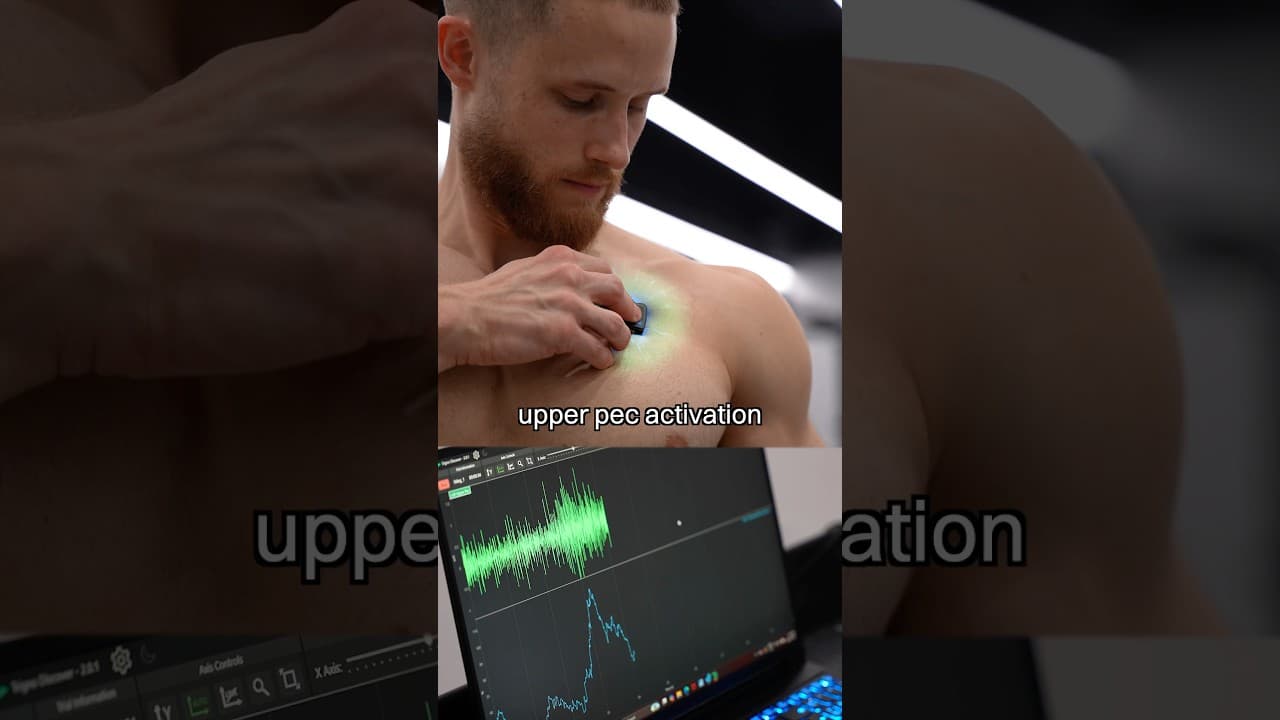
The machine pec deck ranks 19th for its ability to isolate chest muscles without interference from front deltoids. The externally rotated arm position places front delts out of the primary line of pull while aligning pectoral fibers optimally with resistance.
Progressive Overload Principles
Throughout his demonstration, Nippard emphasizes the critical importance of progressive overload for continued adaptation. His attempt to set personal records on all 25 exercises illustrates the mindset required for long-term progress.
Technique consistency proves essential - personal records only count when performed with identical form to previous attempts. This standard ensures strength gains represent genuine improvement rather than technique degradation.
The tracking of progress becomes paramount for sustained development. Whether using traditional notebooks or modern applications like MacroFactor, consistent monitoring of weights, sets, and repetitions drives continued adaptation.
Program Integration
While individual exercises provide the foundation, their integration into cohesive programming determines ultimate success. Nippard's selections consider various training frequencies, fatigue management, and muscle group balance.
Compound movements like squats and deadlifts require careful fatigue management due to their demanding nature, while isolation exercises can typically be performed more frequently with less recovery demands.
The balance between compound and isolation work ensures complete development while addressing individual weak points that might limit overall progress.
Our Analysis
Machine-based training has experienced a renaissance that Nippard's selection reflects, but this approach faces criticism from functional movement advocates who argue that free weights develop superior proprioception and core stability. Recent 2024-2025 research from the International Journal of Sports Medicine suggests that while machines excel for hypertrophy, athletes training exclusively with machines show 15-20% lower performance in sport-specific movements compared to those incorporating free weight variations.
Nippard's emphasis on calf training as essential contradicts emerging data from the 2025 National Strength and Conditioning Association conference, which presented evidence that calf muscle hypertrophy shows minimal correlation with overall athletic performance or injury prevention. The genetic component of calf development remains so dominant that some researchers now classify it alongside forearm size as primarily determined by muscle belly length rather than training stimulus.
The 25-exercise framework competes directly with minimalist approaches gaining traction in 2024-2026, particularly Dan John's "Big 5" methodology and Pavel Tsatsouline's Simple & Sinister protocol. These competing systems argue that exercise variety often becomes a distraction from progressive overload, with some powerlifting coaches reporting better strength gains when athletes focus on just 3-5 movements for 12-16 week blocks.
Corporate gym limitations present a practical challenge Nippard doesn't address. Planet Fitness, with over 2,400 locations serving 18 million members, lacks the specialized equipment for several ranked exercises like pendulum squats or chest-supported T-bar rows. This accessibility gap means the framework primarily serves serious lifters with access to well-equipped facilities, potentially excluding the beginner population who would benefit most from structured guidance.
The historical context reveals that exercise selection debates have remained remarkably consistent since Arthur Jones introduced Nautilus principles in the 1970s, suggesting that optimal training may depend more on individual compliance than exercise hierarchy.
Frequently Asked Questions
Q: Can you build a complete physique with just these 25 exercises?
Absolutely. These exercises provide comprehensive coverage of all major muscle groups while addressing commonly neglected areas like calves, forearms, and neck. The combination of compound movements for overall mass and isolation exercises for specific development creates a complete training approach. The key lies in consistent progressive overload and proper programming rather than exercise variety.
Q: How often should you train each of these exercises?
Training frequency depends on the specific exercise and your individual recovery capacity. Compound movements like squats and deadlifts typically require 48-72 hours between sessions, while smaller isolation exercises like lateral raises or calf raises can often be performed more frequently. Most individuals benefit from training each major movement pattern 2-3 times per week with appropriate volume distribution.
Q: What makes these exercises superior to other variations?
These exercises earned their rankings through several criteria: research-backed effectiveness, accessibility in most gyms, ease of progressive overload, and proven results over time. Each exercise provides optimal stimulus for its target muscles while minimizing limiting factors from weaker muscle groups. The combination of scientific support and practical application sets them apart from alternatives.
Q: Do beginners need all 25 exercises or should they start with fewer?
Beginners should focus on mastering the top 10-15 exercises before adding the more specialized movements. Starting with fundamental compound movements like squats, deadlifts, pull-ups, and pressing variations builds the foundation for more advanced training. As technique improves and strength develops, additional isolation exercises can be incorporated to address specific needs and preferences.
Products Mentioned
Training app that generates personalized programs, tracks progress with detailed analytics, and updates programming based on performance using science-based algorithms
Nutrition tracking application that syncs with the workouts app for comprehensive fitness monitoring
1990s-era lat pullover machine for isolated lat training, popularized by Dorian Yates
Specialized machine for hip thrust movements that provides comfortable glute training without taxing the quads
Links to products may be affiliate links. We may earn a commission on purchases.
Share this article
Enjoyed this article?
Get more from Jeff Nippard delivered to your inbox.