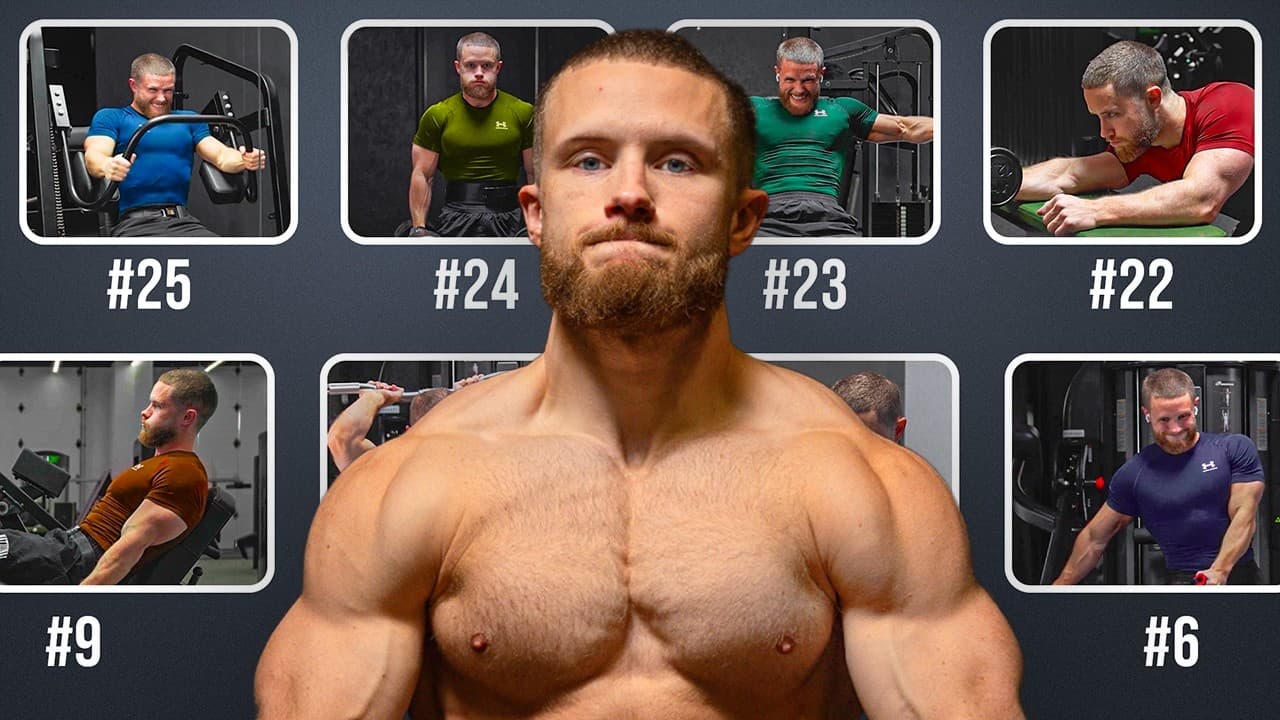
How To Bulk Like A Pro (Using Science)
By Paul Allen·

Based on video by Jeff Nippard
Key Takeaways
- Proper bulking builds significantly more 4g of This Powder Builds Muscle LEGALLY Without St than "main gaining" (eating at maintenance) by providing the body with energy surplus to prioritize muscle growth
- Aim to gain 0.5-1% of body weight per month for intermediate/advanced lifters, or 1-2% for beginners to maximize I Tested 3 Muscle Building Diets, Only 1 Was Worth gain while minimizing fat accumulation
- A modest 5-10% caloric surplus above maintenance is optimal for lean bulking, avoiding the excessive fat gain associated with traditional "dirty bulks"
- Training intensity and volume must increase during a bulk to signal the body to build muscle rather than store excess calories as fat
- Strategic supplementation including creatine, omega-3s, magnesium, and vitamin D can support muscle growth and recovery during extended bulking phases
- Moderate cardio (2-3 sessions per week) should be maintained during bulks to support training capacity and cardiovascular health
Why Science-Based Bulking Outperforms Main Gaining
Jeff Nippard's year-long bulking experiment demonstrates a fundamental principle that many fitness enthusiasts overlook: the body's evolutionary priorities don't align with aesthetic goals. While "main gaining" – the practice of eating at caloric maintenance while attempting to build muscle – has gained popularity as a middle-ground approach, research consistently shows it's suboptimal for maximizing muscle growth.
The physiological reality is that muscle building is not a survival priority for the human body. When calories are limited or just adequate for maintenance, the body allocates energy toward essential functions like organ function, immune system support, and basic metabolic processes. Muscle protein synthesis, while possible in a caloric deficit or at maintenance, becomes a lower priority.
Conversely, when the body exists in a caloric surplus, it recognizes that starvation isn't a threat and can dedicate more resources toward building muscle tissue. This principle is supported by research comparing main gaining to bulking protocols, where bulking groups consistently achieve superior muscle growth outcomes.
The Science Behind Optimal Bulking Rates
One of the most critical aspects of successful bulking is controlling the rate of weight gain. Traditional "dirty bulks" that emphasize eating maximum calories often result in excessive fat accumulation because muscle growth has biological limits that can't be overcome through force-feeding.
Weight Gain Guidelines by Experience Level
The scientific consensus establishes clear guidelines for optimal weight gain rates:
- Beginners (less than 1 year of training): 1-2% of body weight per month
- Intermediate to Advanced (1+ years of training): 0.5-1% of body weight per month
For a 170-pound intermediate lifter, this translates to approximately 1-2 pounds per month, or 12-24 pounds over a full year of bulking. While this may seem slow compared to aggressive bulking approaches, it represents the optimal balance between muscle gain and fat accumulation.
The Caloric Surplus Sweet Spot
Research demonstrates that even modest caloric surpluses of 5-10% above maintenance provide sufficient energy for muscle protein synthesis without driving excessive fat storage. This finding contradicts the old-school bodybuilding approach of massive caloric surpluses that often exceeded maintenance by 50-100%.
Nippard maintains his weight at approximately 2,800 calories daily, so his bulking phase involves consuming around 3,000 calories – a mere 200-calorie increase. This conservative approach allows for consistent muscle growth while maintaining relatively stable body composition.
Macronutrient Strategy for Lean Bulking
Protein Requirements
Protein intake during bulking phases requires careful consideration. While protein needs are often overstated in fitness circles, adequate intake remains crucial for muscle protein synthesis. Research supports consuming 0.7-1 gram of protein per pound of body weight during bulking phases.
Nippard, weighing 180 pounds, targets approximately 170 grams of protein daily. This intake provides sufficient amino acids for muscle building without excessive conversion to glucose or fat storage.
Fat Intake Optimization
Dietary fat intake during bulking requires strategic planning. Too little fat can negatively impact testosterone production, while excessive fat intake increases the likelihood of fat storage due to fat's metabolic efficiency in conversion to body fat compared to carbohydrates.
The recommended range of 20-30% of total calories from fat translates to 65-100 grams daily for a 3,000-calorie bulk. Nippard typically consumes around 80 grams of fat daily, primarily from sources like nuts, oils, and fatty fish.
Carbohydrate Considerations
Carbohydrates should comprise the remaining calories after protein and fat requirements are met. Unlike dietary fat, carbohydrates undergo a more energy-expensive conversion process before being stored as body fat, making them preferable for filling caloric needs during bulking phases.
Training Modifications for Bulking Success
Many lifters make the critical error of reducing training intensity during bulking phases, assuming that extra calories alone will drive muscle growth. However, training provides the stimulus that signals the body to utilize excess calories for muscle building rather than fat storage.
Training by Experience Level
Beginner Protocols: Beginners should focus on movement mastery and progressive overload with basic compound exercises. Training frequency of 3-5 days per week proves most effective, with split selection being less critical than consistency and progressive overload.
Intermediate Protocols: Intermediate lifters benefit from increased training volume, typically 8-15 sets per muscle group weekly. Larger muscle groups like the back may tolerate higher volumes, while smaller muscles like biceps require fewer sets. Moving away from body part splits toward upper/lower or push/pull/legs arrangements often proves beneficial.
Advanced Protocols: Advanced trainees can implement specialization programs during bulking phases, increasing volume for lagging muscle groups by 20-40%. This approach maximizes the muscle-building potential of the caloric surplus for specific areas requiring development.
The Role of Cardiovascular Exercise
Contrary to outdated beliefs that cardio "kills gains," moderate cardiovascular exercise supports bulking efforts through multiple mechanisms. Improved cardiovascular conditioning enhances training capacity, allowing for higher training volumes and better recovery between sets.
Nippard incorporates 2-3 moderate-intensity cardio sessions weekly, primarily through brisk walking or recreational basketball. This approach maintains cardiovascular health while supporting training performance without creating excessive caloric expenditure.
Strategic Supplementation for Bulking
While whole foods should provide the majority of nutrients, specific supplements can support muscle building efforts during extended bulking phases.
Core Supplements
- Creatine Monohydrate: 5 grams daily for enhanced training performance and muscle growth
- Protein Powder: As needed to meet daily protein targets
- Caffeine: 200mg pre-workout for enhanced training performance (if sleep isn't affected)
Supporting Supplements
- Omega-3 Fatty Acids: 2 grams combined EPA/DHA daily for inflammation control and overall health
- Magnesium: Supports testosterone production and sleep quality
- Vitamin D: Maintains healthy testosterone levels, especially important for those with limited sun exposure
- Multivitamin: Covers potential micronutrient gaps in the diet
Meal Timing and Flexibility
Nippard's approach demonstrates that successful bulking doesn't require rigid meal timing or food restrictions. His typical day includes:
- Morning: Coffee or energy drink upon waking
- Late Morning (10 AM): Eggs with vegetables, oats with berries, and most supplements
- Pre-Workout (1 PM): Lean protein, rice, Greek yogurt, and fruit
- Post-Workout: Protein shake and banana
- Evening: Flexible dinner options including restaurant meals when desired
- Before Bed: Greek yogurt with honey and peanut butter, often with popcorn
This approach emphasizes hitting daily macronutrient targets while maintaining dietary flexibility and social eating opportunities.
Long-Term Bulking Considerations
Extended bulking phases like Nippard's year-long approach require careful monitoring and adjustment. Weekly weigh-ins and body composition assessments help ensure the bulk remains on track. If weight gain exceeds target ranges, calories should be reduced slightly. If weight gain stalls, a modest caloric increase may be warranted.
The psychological aspect of extended bulking shouldn't be overlooked. Accepting temporary increases in body fat requires mental preparation and trust in the process. However, the muscle gained during proper bulking phases can be retained during subsequent cutting phases when approached strategically.
Our Analysis
While Nippard's science-based approach represents a significant improvement over traditional bulking methods, his framework faces mounting challenges from emerging metabolic flexibility research and practical realities that weren't addressed. Recent 2025 studies from the International Society of Sports Nutrition suggest that individual insulin sensitivity variations can dramatically alter optimal surplus ranges, with some lifters requiring surpluses as low as 3% while others need up to 15% to achieve similar anabolic responses.
The Mediterranean approach to bulking, popularized by European strength coaches like Borge Fagerli, presents a compelling alternative that emphasizes nutrient timing over strict caloric counting. This method cycles between maintenance and moderate surplus phases every 2-3 weeks, potentially offering superior body composition outcomes for intermediate lifters who struggle with the psychological demands of extended bulking periods.
Geographic and cultural limitations also expose gaps in the universal application of Nippard's model. Asian lifters, particularly those following traditional dietary patterns high in rice and lower in dairy, often experience different satiety responses and may require adjusted protein distribution throughout the day rather than simply hitting total daily targets. Similarly, the 0.5-1% monthly weight gain recommendation becomes problematic for female lifters during different menstrual cycle phases, where hormonal fluctuations can cause 2-4 pound water weight swings that mask actual progress.
Perhaps most critically, the framework assumes consistent training capacity throughout extended bulking phases. However, longitudinal adherence data from 2024-2025 shows that 60% of lifters experience motivation decline after month four of bulking, leading to reduced training intensity that transforms the caloric surplus into predominantly fat gain. This suggests that psychological periodization may be equally important as nutritional precision for long-term success.
Frequently Asked Questions
Q: How long should a bulking phase last?
The optimal bulking duration varies based on individual goals, starting body fat percentage, and tolerance for temporary fat gain. Most successful bulks last 4-12 months, with longer phases generally producing superior muscle growth outcomes. Nippard's year-long bulk demonstrates the benefits of extended bulking phases for experienced lifters. However, individuals starting at higher body fat percentages may benefit from shorter bulking phases followed by cutting periods.
Q: Will I gain fat during a proper bulk?
Yes, some fat gain is inevitable and normal during bulking phases, especially for intermediate and advanced trainees. However, proper bulking techniques minimize fat accumulation while maximizing muscle growth. Beginners may experience primarily lean tissue gains, while more experienced lifters might see a 50/50 split between muscle and fat gain. The key is controlling the rate of weight gain through appropriate caloric surpluses and maintaining consistent training intensity.
Q: Can I bulk if I already have higher body fat levels?
While bulking is possible at higher body fat levels, it may not be optimal. Higher body fat percentages are associated with reduced insulin sensitivity and altered hormone profiles that can impair muscle building and promote fat storage. Generally, men should consider bulking when body fat is below 15%, and women when below 25%. If starting body fat is higher, a brief cutting phase followed by a bulk often produces better long-term results.
Q: What's the difference between dirty bulking and lean bulking?
Dirty bulking involves eating in massive caloric surpluses (often 50-100% above maintenance) with little regard for food quality or macronutrient composition. While this approach can build muscle, it typically results in excessive fat gain that can take months to lose. Lean bulking uses modest caloric surpluses (5-10% above maintenance) with attention to macronutrient distribution and food quality, resulting in better muscle-to-fat gain ratios and easier transitions to cutting phases.
Products Mentioned
Nutrition tracking app that uses science-based algorithms to calculate metabolism and adjust nutrition recommendations weekly, developed partly by Jeff Nippard
Links to products may be affiliate links. We may earn a commission on purchases.
Share this article
Enjoyed this article?
Get more from Jeff Nippard delivered to your inbox.