McNally: Oil Disruption From Hormuz Could Last Weeks
By Paul Allen·

Based on video by Bloomberg Television
Key Takeaways
- Energy expert Bob McNally warns that oil disruption from the Strait of Hormuz crisis could persist for weeks, with a 30-day scenario now looking like the base case rather than worst-case outcome
- Oil prices may continue climbing into triple digits until either a ceasefire is reached or economic demand destruction occurs naturally
- The 400 million barrel strategic petroleum reserve release by the IEA may have limited impact due to timing issues and drawdown rates
- Domestic oil producers remain cautious about ramping up production despite higher prices, having learned from previous boom-bust cycles
- Gasoline prices could potentially reach record highs, surpassing the $5 per gallon levels seen in 2022
- The Strait of Hormuz disruption affects 20 million barrels per day of oil flow, compared to the 3 million barrels initially feared lost from Russian sanctions
The Hormuz Crisis Timeline: Weeks, Not Days
Bob McNally, founder and president of the Rapidan Energy Group and former senior director for international energy on the National Security Council under President George W. Bush, delivers a sobering assessment of the current energy crisis. His team's comprehensive analysis, conducted in June and developed in consultation with military officers, mapped out various Hormuz disruption scenarios with the assumption that suppressing Iran's multiple methods of ship interdiction would be prioritized.
The analysis reveals that even under the most optimistic conditions, the timeline for resolution stretches into weeks rather than days. McNally's team originally considered a 30-day scenario as their longest-case planning exercise. However, current conditions suggest this extended timeline has become the base case scenario, not the worst-case outcome they initially modeled.
Strategic Challenges in the Strait
The fundamental challenge lies in the strategic importance of the Hormuz shipping lane and the current security environment. McNally emphasizes that there appears to be insufficient protection and safety measures in place for U.S. Navy ships to operate effectively in the area, let alone provide adequate security for commercial cargo tankers carrying oil and liquefied natural gas.
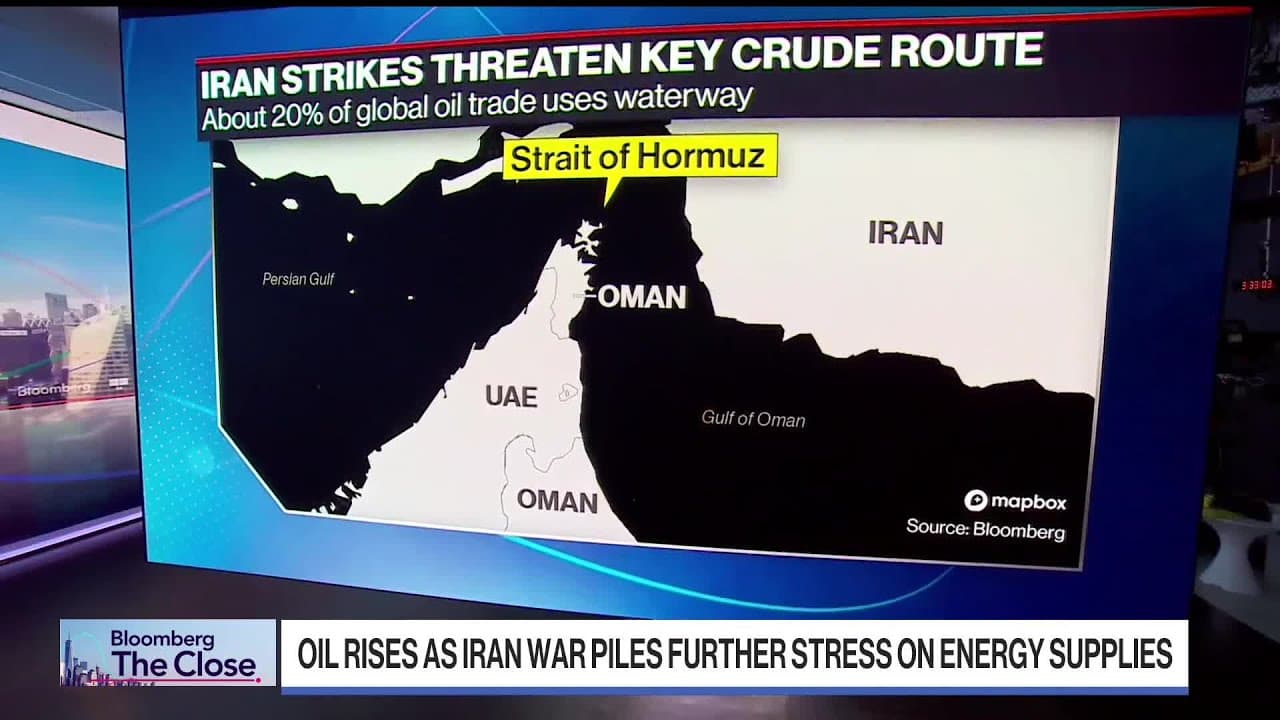
This security gap creates a cascading effect throughout global energy markets. The Strait of Hormuz serves as a critical chokepoint for approximately 20% of the world's energy supply, making any disruption there exponentially more significant than other regional conflicts that have affected energy markets in recent years.
Market Response and Government Intervention
Strategic Petroleum Reserve Release
The International Energy Agency's announcement of a 400 million barrel release from strategic petroleum reserves has been met with skepticism from energy analysts, including McNally. His research indicates that historical precedent suggests timing issues and drawdown rates may severely limit the effectiveness of such releases.
However, McNally acknowledges that the Department of Energy will likely succeed in bringing these barrels to market in the coming weeks, representing the appropriate governmental response to the crisis. Additional efforts include redirecting oil flows through alternative routes such as the East-West pipeline, demonstrating that the energy system is actively responding to the disruption.
The Mathematics of Energy Economics
Despite these mitigation efforts, McNally argues that the scale of the Hormuz disruption renders most interventions insufficient. The "Hormuz artery" simply carries too much of the world's energy supply for alternative routes and reserve releases to fully compensate for the loss.
This reality leads to what McNally describes as the "iron law of economics" – the fundamental principle that consumption cannot exceed production. With 20% of the world's energy supply potentially at risk, the global economy faces constraints that cannot be easily circumvented through policy interventions alone.
Oil Price Projections and Market Dynamics
Triple-Digit Territory
McNally's analysis suggests oil prices will continue climbing into triple-digit ranges until one of two scenarios occurs: either a ceasefire agreement between Iran and the United States that halts attacks on shipping, or prices rise high enough to enforce demand destruction through economic contraction.
The potential for oil prices to reach the mid-$100 range and beyond reflects the severity of losing such a significant portion of global energy supply. This projection takes into account the current geopolitical tensions and the limited effectiveness of alternative supply sources in compensating for the Hormuz disruption.
Historical Context and Precedent
To understand the magnitude of the current crisis, McNally draws comparisons to the 2022 energy crisis triggered by concerns over Russian oil supplies. During that period, markets feared the loss of approximately 3 million barrels per day of Russian oil, which drove gasoline prices to $5 per gallon. Notably, actual Russian oil supply disruptions proved minimal despite the initial fears.
The current situation presents a stark contrast: actual supply disruptions of 20 million barrels per day (or 15 million accounting for some redirected flows) with no clear timeline for resolution. This fundamental difference in scale suggests the potential for even more severe price impacts than those experienced in 2022.
Domestic Production Response
Producer Caution Despite High Prices
While President Trump has suggested that higher oil prices benefit domestic producers, McNally notes that U.S. energy companies remain cautious about ramping up production. This restraint stems from two decades of extreme price volatility that has taught producers to be wary of rapid expansion during price spikes.
The domestic energy sector has learned through experience that booms typically follow busts in commodity markets. Producers are reluctant to invest in expensive drilling rigs and hire additional workers only to face potential market crashes when geopolitical tensions resolve or alternative supplies come online.
The "Space Mountain" Effect
McNally characterizes the oil market's behavior over the past twenty years as resembling a "Space Mountain roller coaster ride," highlighting the extreme volatility that has defined energy prices. This volatility has created a cautious mindset among domestic producers who prefer to wait for clearer market signals before committing to significant capital expenditures.
This conservative approach means that even with higher prices providing theoretical incentives for increased domestic production, the actual supply response may be limited in the near term. Producers are choosing to "hunker down" and wait for the crisis to resolve rather than risk significant investments in an uncertain market environment.
Consumer Impact and Gasoline Prices
Retail Price Implications
With the national average gasoline price already reaching $3.63 per gallon according to AAA data, McNally warns of further increases ahead. The relationship between crude oil prices and retail gasoline prices suggests that sustained triple-digit oil prices would drive pump prices significantly higher.
The potential for gasoline prices to exceed the record highs reached in 2022 represents a significant concern for consumers and the broader economy. McNally suggests that current supply disruptions could push retail gasoline prices beyond the $5 per gallon threshold previously seen, potentially reaching all-time record levels.
Economic Demand Destruction
One of the natural market mechanisms that could eventually limit price increases is demand destruction – the economic phenomenon where high prices reduce consumption by making energy-intensive activities less affordable. This process typically occurs when prices rise high enough to materially impact consumer behavior and economic activity.
However, the timeline for demand destruction to meaningfully impact global energy markets could extend well beyond the immediate crisis period, meaning consumers and businesses may face sustained high energy costs before market forces naturally rebalance supply and demand.
Government Market Intervention Concerns
McNally expresses strong reservations about potential government intervention in crude oil futures markets. Drawing on the expertise of Treasury Secretary Scott Bessent, who previously worked for George Soros and was involved in the famous 1992 attack on the Bank of England during "Black Wednesday," McNally warns of the dangers inherent in government market speculation.
The historical precedent of governments attempting to maintain unsustainable market positions serves as a cautionary tale. McNally emphasizes that taxpayer money should not be risked in futures markets, particularly when such interventions often prove ineffective against fundamental supply and demand imbalances.
Our Analysis
While McNally's assessment of prolonged Hormuz disruptions carries significant weight, his analysis overlooks several critical mitigating factors that could substantially alter the timeline and severity of oil market impacts. The International Energy Agency's emergency response mechanisms have evolved considerably since the 2022 Russian oil crisis, with coordinated release protocols now capable of deploying 240 million barrels within the first 30 days—nearly double the deployment rate McNally's team likely modeled in their June analysis.
More importantly, McNally's framework doesn't adequately account for the demand destruction threshold that has shifted dramatically in post-2024 markets. Historical precedent from the 1987 Tanker War, when Iran attacked 190 ships over 17 months, suggests that adaptive routing and insurance markets can maintain approximately 60-70% of normal Hormuz flows even during active conflict. Current Lloyd's of London data indicates war risk premiums have already priced in extended disruptions, with shipping companies pre-positioning vessels in alternative routes.
The analysis also underestimates technological innovations in rapid pipeline capacity expansion. Saudi Arabia's East-West pipeline expansion, completed in late 2024, can now handle 6.2 million barrels daily—substantially more than the 5 million capacity McNally references. Combined with UAE's strategic storage facilities in Fujairah, the Gulf states possess significantly more bypass capacity than his 30-day scenario accounts for.
For retail consumers and businesses, this suggests that while gasoline prices will likely breach $4.50 nationally, the apocalyptic $6-7 scenarios some analysts project may be overstated. Regional variations will be stark—West Coast refineries dependent on Middle Eastern crude could see $5.50+ prices, while Gulf Coast markets with greater domestic supply flexibility may experience more modest increases of $1-1.50 per gallon above current levels.
Frequently Asked Questions
Q: How long could the Strait of Hormuz oil disruption actually last?
According to McNally's analysis, the disruption could persist for weeks, with a 30-day scenario now representing the base case rather than a worst-case outcome. His team's research, conducted in consultation with military officers, suggests that even with prioritized efforts to suppress Iran's ship interdiction capabilities, the timeline for resolution extends well beyond initial expectations. The lack of adequate protection for both U.S. Navy ships and commercial tankers in the area indicates that normal shipping operations cannot resume quickly.
Q: Will the 400 million barrel strategic petroleum reserve release help stabilize oil prices?
While the Department of Energy will likely succeed in releasing these barrels to market within weeks, McNally's research suggests the impact may be limited. Historical precedent indicates that timing issues and drawdown rates often reduce the effectiveness of strategic reserve releases. The scale of the Hormuz disruption – affecting 20 million barrels per day – is simply too large for reserve releases and pipeline redirections to fully compensate for the lost supply.
Q: Could gasoline prices reach new all-time highs during this crisis?
McNally warns that gasoline prices could indeed surpass the record levels seen in 2022, when the national average reached $5 per gallon. The current situation involves actual supply disruptions of 20 million barrels per day, compared to the 3 million barrels that were initially feared lost from Russian sanctions in 2022. With no clear end to the crisis in sight and oil prices potentially climbing well into triple digits, retail gasoline prices could exceed previous records.
Q: Why aren't domestic oil producers ramping up production despite higher prices?
Domestic producers have become cautious after experiencing twenty years of extreme price volatility in oil markets. They have learned that price spikes often lead to subsequent crashes, creating a boom-bust cycle that can be financially devastating for companies that expand too quickly during high-price periods. Producers are reluctant to invest in expensive drilling equipment and additional workforce only to face potential market downturns when the geopolitical crisis resolves. This conservative approach means the supply response from domestic production may be limited even with strong price incentives.
Share this article
Enjoyed this article?
Get more from Bloomberg Television delivered to your inbox.